

The debate surrounding Bitcoin’s future as a global reserve asset has intensified once again after billionaire investor and hedge fund founder Ray Dalio publicly rejected the idea that Bitcoin could effectively replace traditional reserve assets. His comments reignited discussions across financial markets, the cryptocurrency industry, and institutional investment circles. While Bitcoin supporters continue to argue that the digital currency represents the future of decentralized finance, Dalio’s skepticism highlights the ongoing concerns about volatility, government regulation, scalability, and long-term financial stability.
Over the past decade, Bitcoin has evolved from a niche digital experiment into a trillion-dollar financial phenomenon. Governments, institutional investors, corporations, and retail traders have all entered the crypto market at different stages. Some enthusiasts believe Bitcoin could eventually rival gold or even replace the U.S. dollar as a dominant store of value. However, critics like Ray Dalio argue that Bitcoin still lacks the characteristics required of a reliable reserve asset.
The discussion is significant because Dalio is not simply another market commentator. As the founder of one of the world’s largest hedge funds, his opinions carry considerable influence in global financial markets. His cautious stance toward Bitcoin reflects broader concerns among traditional investors who remain unconvinced about the cryptocurrency’s ability to serve as a stable reserve currency during economic uncertainty.
This renewed criticism comes at a time when Bitcoin adoption continues to expand worldwide. Major financial institutions are offering crypto products, several countries are exploring digital currencies, and spot Bitcoin exchange-traded funds have attracted billions in institutional inflows. Yet despite these developments, the question remains unresolved: can Bitcoin truly function as a reserve asset, or is it still too volatile and speculative for such a role?
Why Ray Dalio Rejects Bitcoin as a Reserve Asset
Ray Dalio’s rejection of Bitcoin as a reserve asset centers around several fundamental economic and structural concerns. Although he has previously acknowledged Bitcoin as an interesting technological innovation and even admitted owning some cryptocurrency exposure, Dalio consistently maintains that Bitcoin cannot fulfill the same role as traditional reserve assets such as gold or government-backed currencies.
According to Dalio, reserve assets must provide stability, liquidity, and widespread trust during times of economic uncertainty. Central banks and governments rely on reserve assets to support national currencies, manage international trade, and maintain financial confidence. Bitcoin, in his view, fails to meet these requirements because of its extreme price volatility and speculative trading behavior.
One of Dalio’s primary concerns is that Bitcoin’s value can fluctuate dramatically within short periods. Reserve assets are expected to preserve wealth and maintain purchasing power relatively consistently over time. Bitcoin, however, frequently experiences rapid price swings driven by investor sentiment, market speculation, and macroeconomic news. Such volatility makes it difficult for governments or institutions to depend on Bitcoin during financial crises.
Dalio also believes that governments are unlikely to allow Bitcoin to become a dominant reserve currency. He argues that monetary systems are deeply tied to political power and economic control. If a decentralized digital asset threatened national currencies or weakened central bank authority, governments could impose stricter regulations or restrictions on cryptocurrency usage. This political risk, according to Dalio, limits Bitcoin’s potential as a true reserve asset.
The Difference Between Bitcoin and Traditional Reserve Assets
Understanding why Ray Dalio rejects Bitcoin as a reserve asset requires examining how reserve assets function within the global financial system. Traditionally, reserve assets are held by central banks and financial institutions to support currency stability, facilitate international transactions, and protect economies during crises.
Gold has historically served as a reserve asset because of its scarcity, durability, and universal acceptance. The U.S. dollar later became the dominant global reserve currency due to America’s economic strength, deep financial markets, and geopolitical influence. These reserve assets provide stability and liquidity on a global scale.
Bitcoin supporters often compare the cryptocurrency to digital gold because of its limited supply and decentralized nature. Bitcoin’s maximum supply of 21 million coins is frequently promoted as protection against inflation and currency debasement. However, Dalio argues that scarcity alone does not make an asset suitable for reserve status.
Unlike gold or government-backed currencies, Bitcoin lacks long-term historical stability. The cryptocurrency market remains relatively young and heavily influenced by speculative trading. Sudden market crashes, exchange failures, and regulatory uncertainty continue to impact investor confidence. Traditional reserve assets typically have deep institutional infrastructure and broad international trust, while Bitcoin is still navigating questions about regulation, security, and adoption.
Another major difference lies in transaction efficiency and scalability. Global reserve systems require massive transaction capacity, predictable settlement mechanisms, and strong regulatory oversight. Bitcoin’s network limitations, transaction costs during congestion, and environmental concerns related to mining remain obstacles to widespread reserve adoption.
Bitcoin Supporters Strongly Disagree
Despite Ray Dalio’s criticism, Bitcoin supporters continue to argue that the cryptocurrency possesses qualities that make it uniquely positioned to become a modern reserve asset. Many crypto advocates believe traditional financial systems are increasingly vulnerable to inflation, excessive debt, and central bank intervention.
Supporters often point to the growing global debt crisis as evidence that fiat currencies face long-term risks. Central banks around the world have expanded money supplies dramatically in recent years, raising fears about inflation and currency devaluation. Bitcoin enthusiasts argue that Bitcoin’s fixed supply makes it fundamentally different from government-issued currencies that can be printed indefinitely.
Many investors also view Bitcoin as protection against economic instability and geopolitical uncertainty. In countries experiencing hyperinflation or currency collapse, citizens have increasingly turned to Bitcoin and other digital assets as alternative stores of value. This trend has strengthened the argument that decentralized currencies could eventually play a larger role in global finance.
Institutional adoption has further fueled optimism about Bitcoin’s future. Large asset managers, public companies, and financial institutions have added Bitcoin exposure to their portfolios. The approval of spot Bitcoin ETFs in major financial markets has also improved accessibility for traditional investors. Supporters argue that increasing institutional participation demonstrates growing confidence in Bitcoin’s long-term legitimacy.
Another argument made by Bitcoin advocates is that volatility naturally decreases as adoption grows. Early-stage technologies often experience extreme price fluctuations before reaching maturity. Proponents believe Bitcoin’s market will stabilize over time as liquidity deepens and global adoption expands.
How Institutional Investors View Bitcoin
The institutional investment community remains divided on Bitcoin’s role in the future financial system. Some firms view Bitcoin as a speculative asset with significant growth potential, while others consider it an emerging store of value similar to gold.
Investment firms that support Bitcoin typically emphasize portfolio diversification and inflation protection. Because Bitcoin operates independently from traditional financial systems, some investors believe it can reduce portfolio risk during periods of monetary instability. This perspective has encouraged hedge funds, pension funds, and wealth management firms to explore crypto exposure.
However, institutions also recognize the risks highlighted by Ray Dalio. Regulatory uncertainty remains one of the biggest concerns. Governments worldwide continue developing cryptocurrency policies, taxation rules, and compliance frameworks. Institutional investors often require regulatory clarity before significantly increasing exposure to digital assets.
Environmental concerns surrounding Bitcoin mining have also influenced institutional sentiment. Bitcoin’s proof-of-work consensus mechanism consumes large amounts of energy, prompting criticism from environmental groups and policymakers. While the industry is increasingly adopting renewable energy sources, sustainability debates continue to affect institutional adoption.
Liquidity and custody infrastructure have improved considerably in recent years, making Bitcoin more accessible to large investors. Regulated exchanges, institutional custody providers, and ETF products have reduced some of the operational barriers that previously discouraged institutional participation. Even so, many traditional investors still view Bitcoin as a high-risk asset rather than a dependable reserve instrument.
Could Governments Ever Adopt Bitcoin as a Reserve Asset?
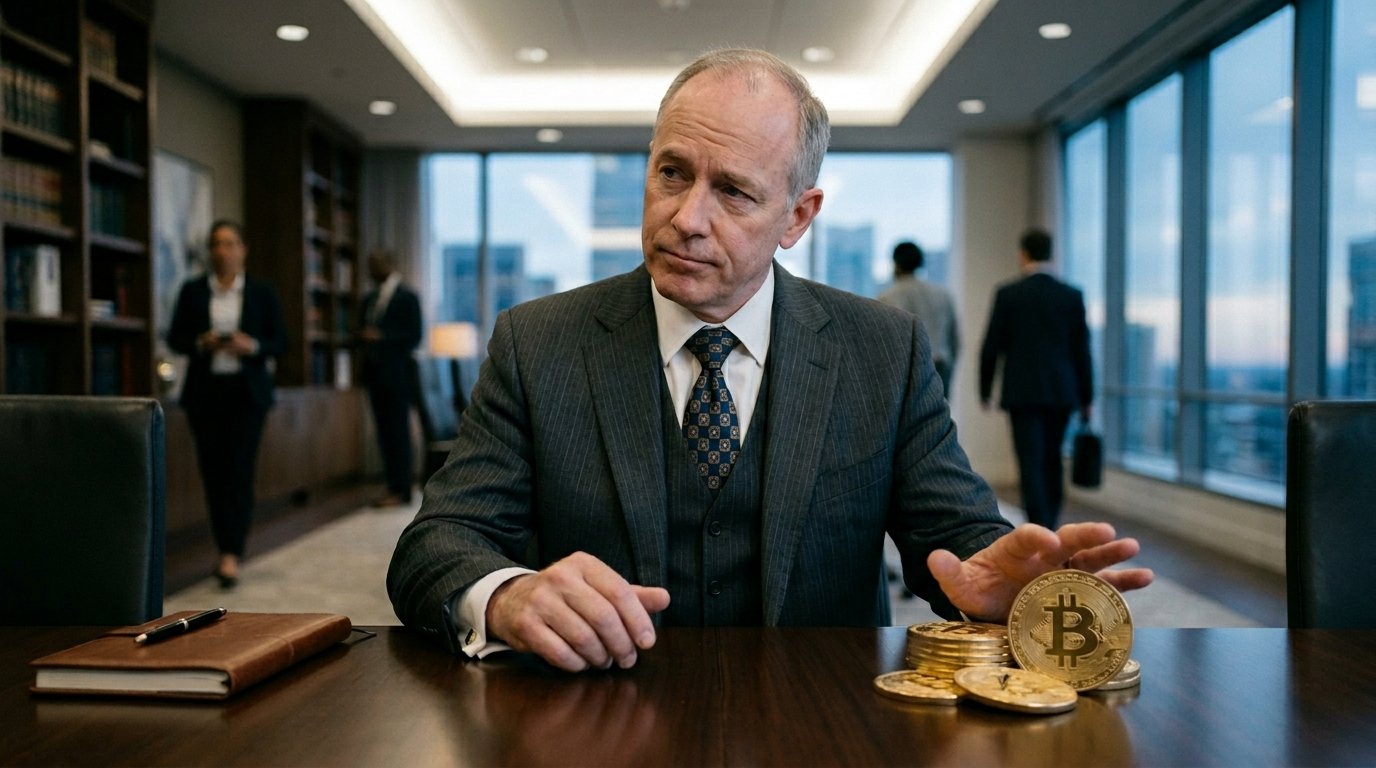
One of the most controversial questions in modern finance is whether governments could eventually hold Bitcoin as part of their national reserves. While some smaller nations have embraced cryptocurrency innovation, most major economies remain cautious.
Countries traditionally maintain reserves in assets such as gold, foreign currencies, and government bonds. These reserves help stabilize domestic economies and support international trade. For Bitcoin to become a reserve asset at the governmental level, policymakers would need confidence in its long-term stability and global acceptance.
Some governments have shown interest in cryptocurrency integration. Certain nations have explored Bitcoin mining initiatives, sovereign digital asset strategies, and blockchain-based financial systems. El Salvador famously adopted Bitcoin as legal tender, attracting global attention and debate. However, major economic powers have generally preferred developing central bank digital currencies instead of embracing decentralized cryptocurrencies.
Ray Dalio believes governments will resist allowing Bitcoin to challenge sovereign monetary systems. Central banks rely on monetary policy tools such as interest rate adjustments and money supply management to influence economic activity. Bitcoin’s decentralized structure removes these controls, making it politically difficult for governments to fully embrace it as a reserve asset.
There is also concern about national security and financial stability. Governments may hesitate to rely on a decentralized network that operates outside direct state control. Regulatory crackdowns, taxation policies, and restrictions on crypto transactions remain possible risks that could limit Bitcoin’s reserve potential.
Bitcoin Volatility Remains a Key Concern
Volatility continues to be one of the strongest arguments against Bitcoin becoming a reserve asset. Over its history, Bitcoin has experienced dramatic bull markets followed by severe crashes. While supporters argue this volatility reflects a growing asset class, critics view it as evidence of instability.
Reserve assets are expected to maintain value during economic downturns and market stress. Bitcoin’s sharp price movements often create uncertainty rather than stability. Institutional investors and governments typically prioritize predictability when selecting reserve assets.
Several factors contribute to Bitcoin’s volatility. Market speculation plays a major role, with prices frequently influenced by investor sentiment, social media trends, macroeconomic developments, and regulatory announcements. Because Bitcoin trades continuously across global markets, sudden shifts in sentiment can trigger rapid price swings.
Liquidity fragmentation across exchanges also affects market stability. Unlike traditional financial systems with centralized oversight, cryptocurrency markets operate through numerous exchanges worldwide. This structure can amplify price fluctuations during periods of high trading activity.
Despite these concerns, some analysts argue that Bitcoin volatility has gradually declined as adoption increases. Institutional participation, ETF products, and broader market maturity may contribute to greater stability over time. Nevertheless, volatility remains a central issue in debates about Bitcoin’s future as a reserve asset.
The Role of Gold in Dalio’s Investment Philosophy
Ray Dalio has long been an advocate of gold as a store of value and portfolio diversification tool. His preference for gold over Bitcoin reflects his broader investment philosophy focused on historical reliability and macroeconomic stability.
Gold has maintained value across centuries and multiple economic systems. Central banks worldwide continue holding large gold reserves because of its historical role as a hedge against inflation and geopolitical uncertainty. Unlike Bitcoin, gold possesses deep-rooted institutional trust and broad international acceptance.
Dalio often emphasizes diversification and risk management in investment strategy. From his perspective, gold provides stability without the extreme volatility associated with cryptocurrencies. While Bitcoin may offer higher growth potential, Dalio appears to prioritize reliability and resilience during financial crises.
Bitcoin supporters frequently argue that digital assets could eventually replace gold among younger investors. The concept of “digital gold” has gained popularity as institutional adoption increases. However, Dalio remains unconvinced that Bitcoin can replicate gold’s historical role within the global financial system.
The Future of Bitcoin in Global Finance
Even though Ray Dalio rejects Bitcoin as a reserve asset, the cryptocurrency’s influence on global finance continues expanding. Bitcoin has already transformed discussions about money, decentralization, and financial sovereignty. Its long-term role may ultimately evolve differently from either supporters or critics currently expect.
Rather than fully replacing traditional reserve assets, Bitcoin may coexist alongside them as an alternative investment and digital store of value. Institutional adoption, blockchain innovation, and evolving financial infrastructure could strengthen Bitcoin’s position within diversified portfolios.
Regulatory clarity will likely play a critical role in shaping Bitcoin’s future. Governments and financial institutions continue developing frameworks that balance innovation with consumer protection and financial stability. Clear regulations could encourage broader institutional participation while reducing market uncertainty.
Technological improvements may also address some of Bitcoin’s current limitations. Layer-two scaling solutions, renewable mining initiatives, and improved custody infrastructure could enhance efficiency and sustainability. As the ecosystem matures, Bitcoin may become more integrated into mainstream finance even if it never achieves reserve asset status.
The broader crypto industry is also evolving rapidly. Stablecoins, tokenized assets, decentralized finance, and central bank digital currencies are reshaping global financial discussions. Bitcoin remains at the center of this transformation, regardless of whether it becomes a formal reserve asset.
Conclusion
Ray Dalio’s rejection of Bitcoin as a reserve asset highlights the ongoing divide between traditional finance and the rapidly evolving cryptocurrency industry. While Bitcoin supporters view the digital currency as the future of decentralized finance and a hedge against inflation, Dalio argues that its volatility, regulatory risks, and lack of governmental control make it unsuitable for reserve status.
The debate reflects broader questions about the future of money, financial sovereignty, and global economic systems. Bitcoin has undeniably achieved mainstream relevance, attracting institutional investors, corporate adoption, and worldwide attention. However, major concerns about stability, regulation, and scalability remain unresolved.
Although Bitcoin may not replace gold or the U.S. dollar as a global reserve asset anytime soon, its role in modern finance continues growing. The cryptocurrency’s long-term future will likely depend on regulatory developments, technological advancements, institutional confidence, and broader public adoption.
As financial markets evolve, the discussion surrounding Bitcoin’s legitimacy and reserve potential will remain one of the most important conversations in global economics. Whether Ray Dalio’s skepticism ultimately proves correct or Bitcoin supporters succeed in reshaping the financial landscape, the impact of cryptocurrency on the future of finance is impossible to ignore.
